Getting a diagnosis
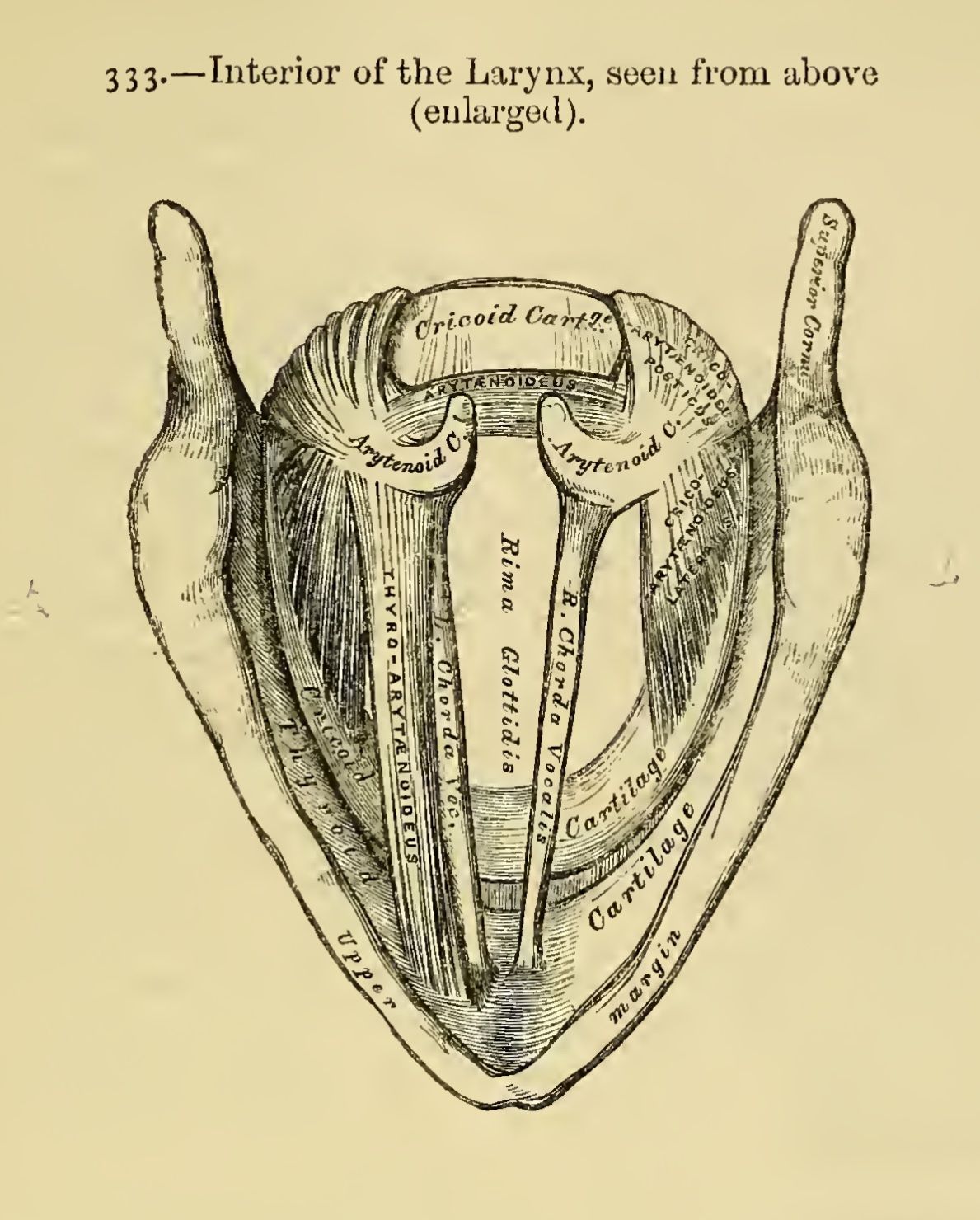
Most neck lumps are not cancer, but the only way to be sure is to examine them properly. At the first visit Dr Kana examines the mouth, throat and voice box with an endoscope, and usually arranges an ultrasound with a fine needle sample, and a CT or MRI scan.
If a biopsy is needed from the throat or voice box, it is taken under a short general anaesthetic.
Treatment
Depending on the type and stage, treatment is surgery, radiotherapy, chemotherapy, or a combination. The plan is agreed with oncologists and other specialists so that you hear one recommendation.
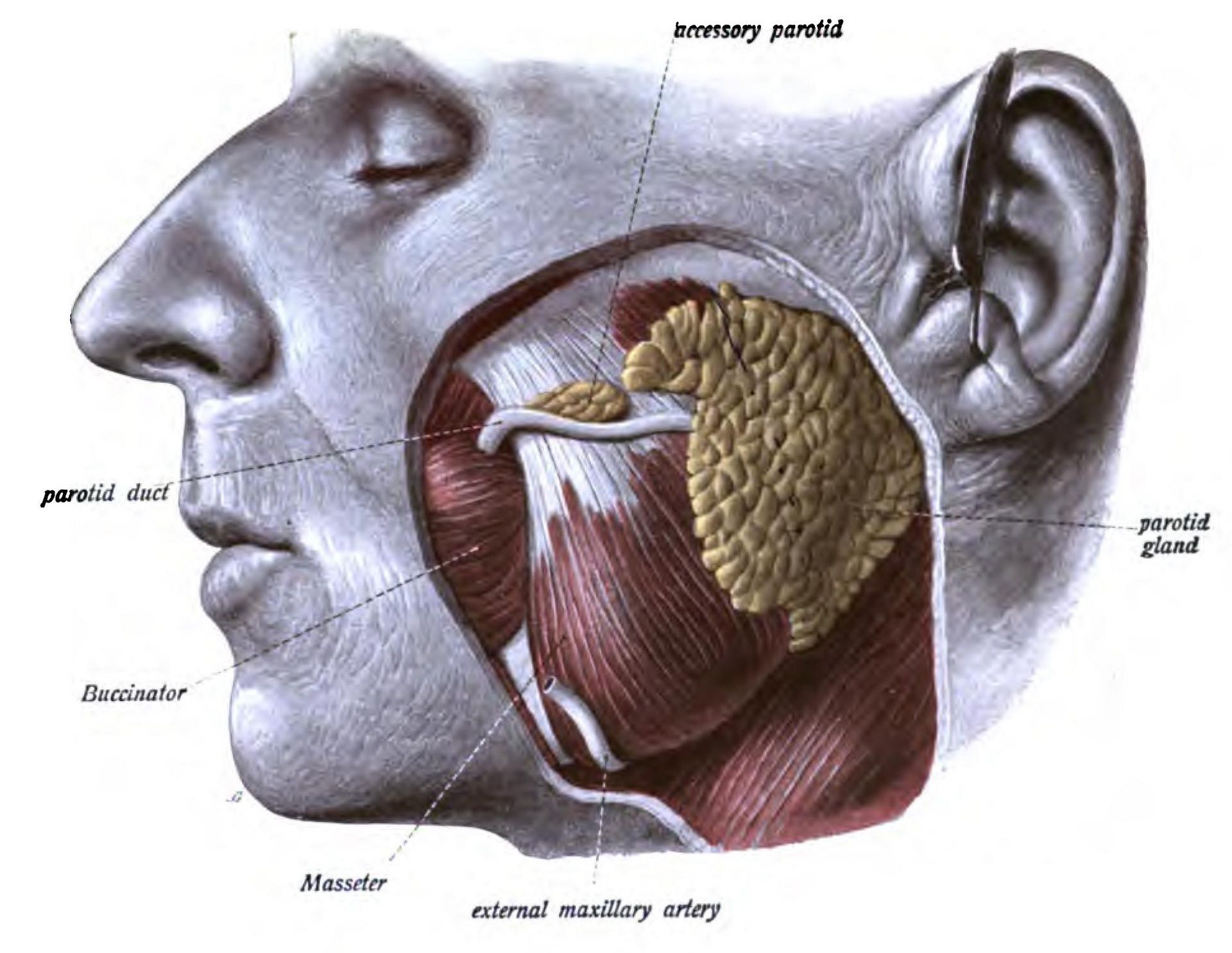
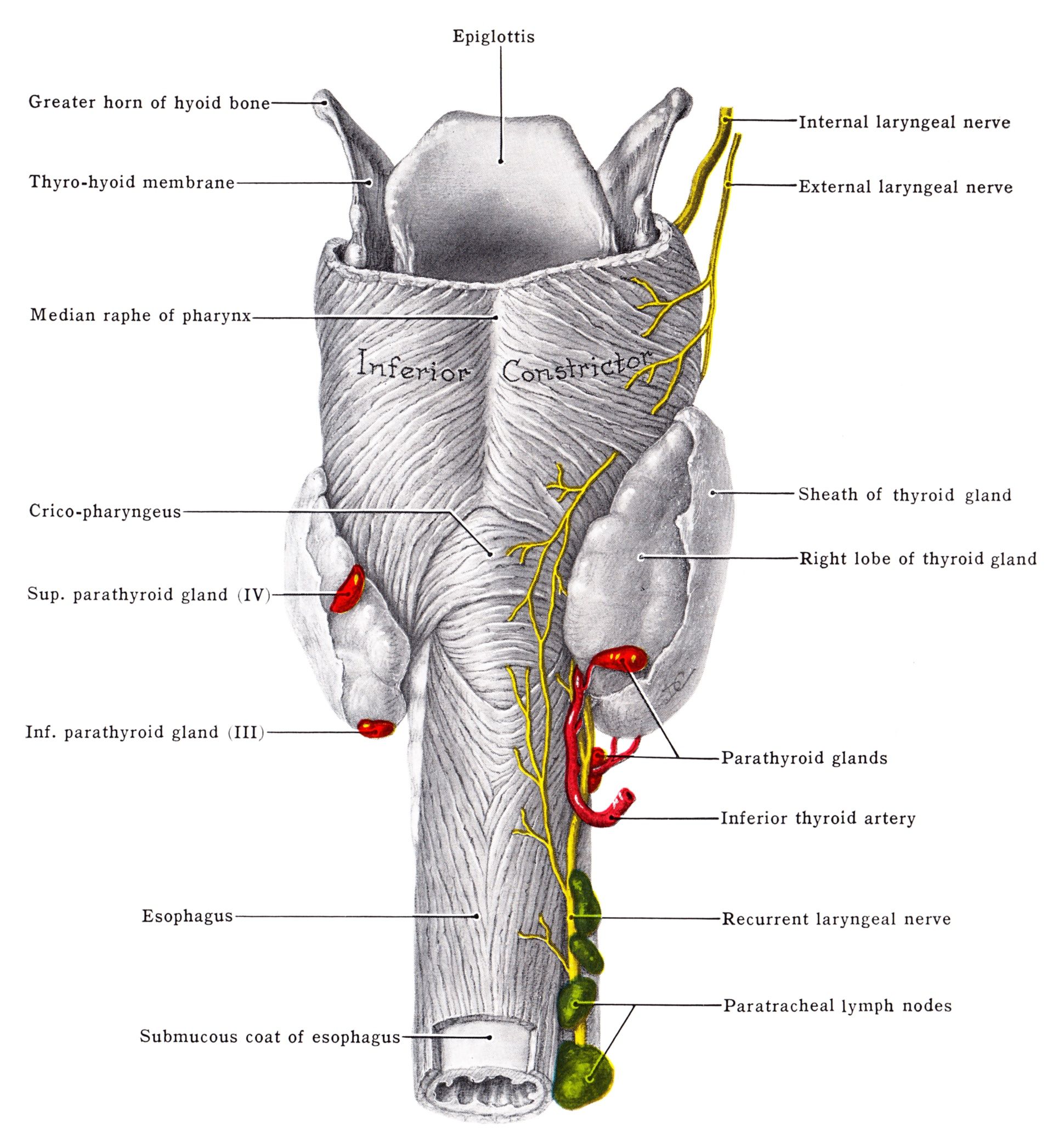
Surgery includes removing tumours of the mouth and throat, neck dissection to remove lymph nodes, thyroidectomy, and parotidectomy for salivary gland tumours.
Recovery and support
Hospital stay depends on the operation, from one night for thyroid surgery to longer for major procedures. Speech therapists in the same rooms help with voice and swallowing during recovery.
Common questions
How quickly can I be seen?
Please say in your enquiry if you have a lump or a symptom that has lasted more than three weeks. These are given priority.
Can I bring scans from home?
Yes. Scans and biopsy reports from your own country help plan your visit, and may shorten it.
Is a neck lump always cancer?
No. Most are caused by infection or are harmless, but a lump that lasts more than three weeks should be examined.
This page is general information, not medical advice for your situation.