Who it helps
A perforated eardrum that has not healed lets water and infection in, causing a discharging ear and reduced hearing. Cholesteatoma is a growth of skin inside the middle ear that slowly damages the bones of hearing and must be removed.
Some kinds of conductive hearing loss, where sound is not carried properly through the middle ear, can also be improved with surgery.
What happens
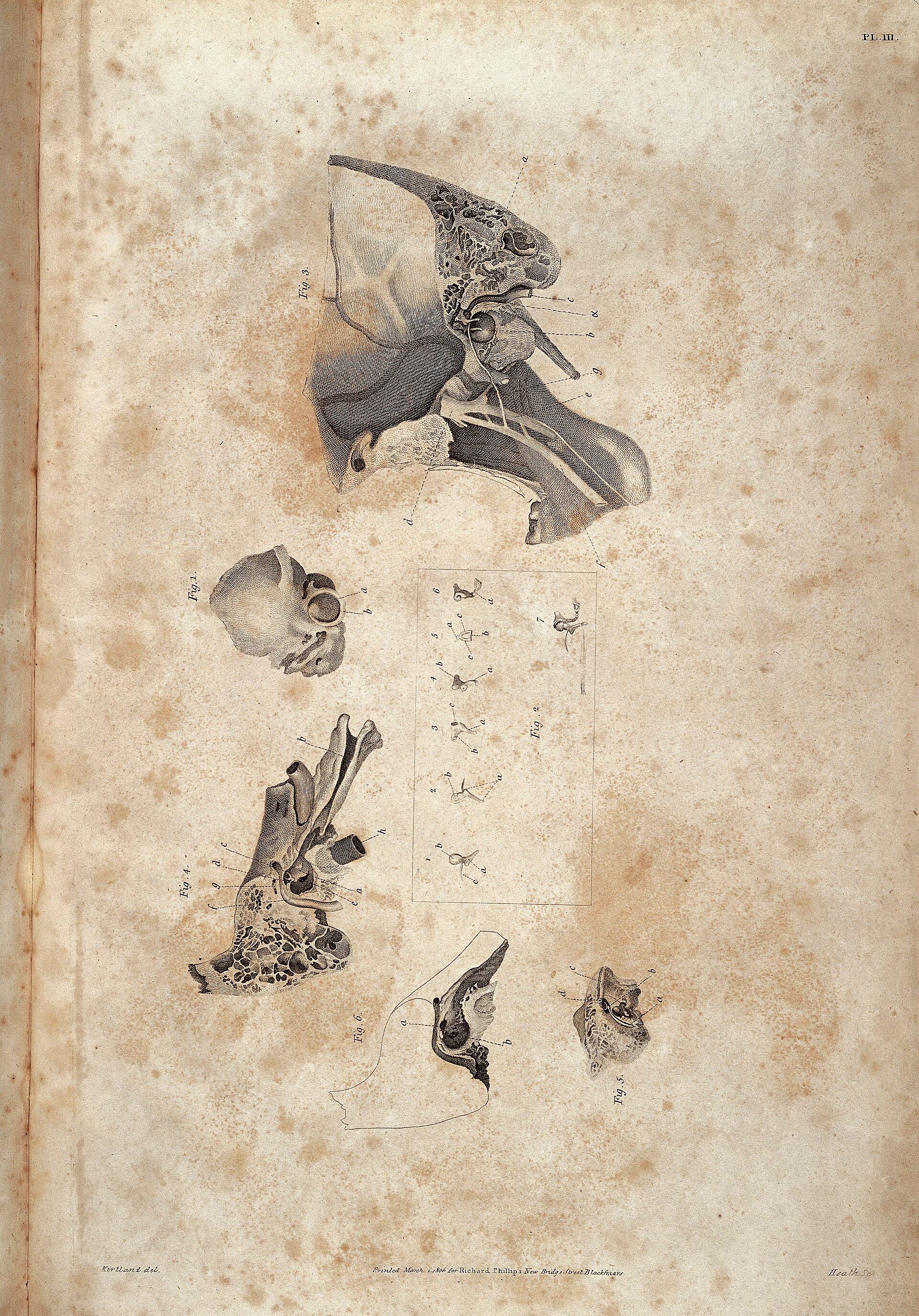
Tympanoplasty repairs the eardrum with a small graft of the patient’s own tissue. Mastoidectomy clears disease from the bone behind the ear and is used for cholesteatoma and chronic infection. Ossiculoplasty rebuilds the chain of hearing bones.
The approach is through the ear canal or a small cut behind the ear, under a microscope or endoscope. A hearing test is done before surgery, usually by the audiologists in the same rooms, and again afterwards.
Recovery
Most patients go home the same day or the next morning. The ear canal is packed for one to three weeks, so hearing is muffled until the packing is removed. Keep the ear dry and avoid blowing your nose hard.
Risks
Risks include infection, the graft not taking, a change in taste on one side of the tongue, dizziness, and rarely further hearing loss or weakness of the face. Dr Kana will explain how these apply to your ear.
Common questions
Will my hearing be better?
Often, but the main aim of some operations is a safe, dry ear. Dr Kana will tell you what to expect for your hearing before you decide.
Can I swim afterwards?
Not until the ear has healed, usually six weeks or more. You will be told when it is safe.
When can I fly?
Usually after the first follow-up. Flying soon after ear surgery needs specific advice, so please ask before booking your return.
This page is general information, not medical advice for your situation.